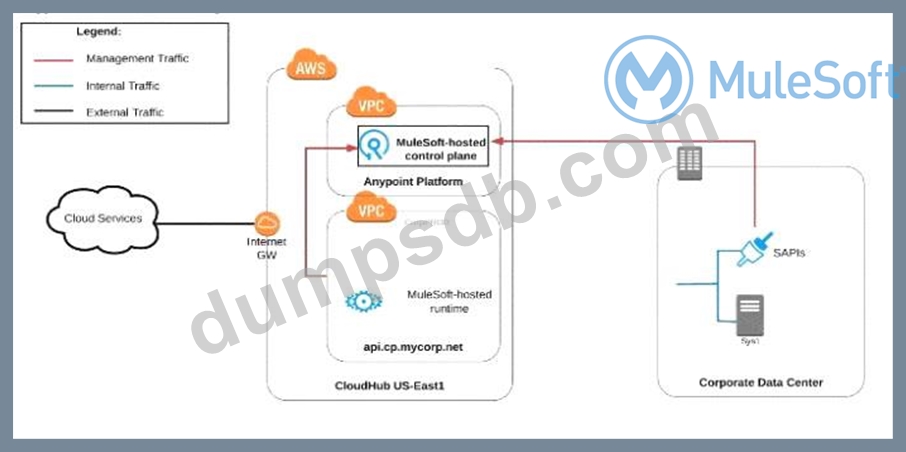
Question 56
What is true about the technology architecture of Anypoint VPCs?
Question 57
What Mule application can have API policies applied by Anypoint Platform to the endpoint exposed by that Mule application?
A) A Mule application that accepts requests over HTTP/1.x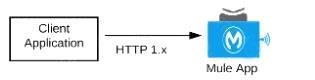
B) A Mule application that accepts JSON requests over TCP but is NOT required to provide a response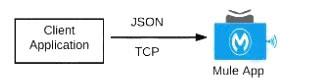
C) A Mute application that accepts JSON requests over WebSocket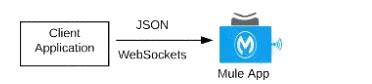
D) A Mule application that accepts gRPC requests over HTTP/2
Question 58
The implementation of a Process API must change.
What is a valid approach that minimizes the impact of this change on API clients?
Question 59
Refer to the exhibit.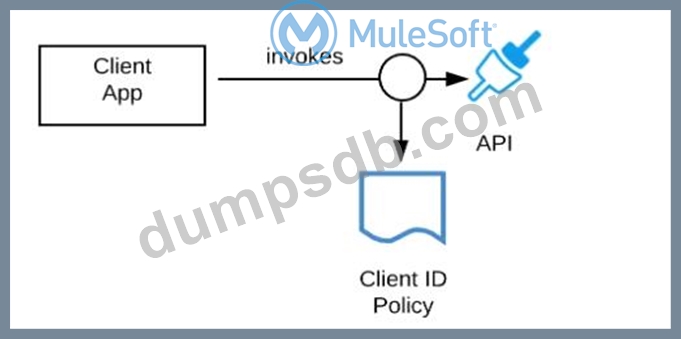
A developer is building a client application to invoke an API deployed to the STAGING environment that is governed by a client ID enforcement policy.
What is required to successfully invoke the API?
Question 60
An organization uses various cloud-based SaaS systems and multiple on-premises systems. The on-premises systems are an important part of the organization's application network and can only be accessed from within the organization's intranet.
What is the best way to configure and use Anypoint Platform to support integrations with both the cloud-based SaaS systems and on-premises systems?
A) Use CloudHub-deployed Mule runtimes in an Anypoint VPC managed by Anypoint Platform Private Cloud Edition control plane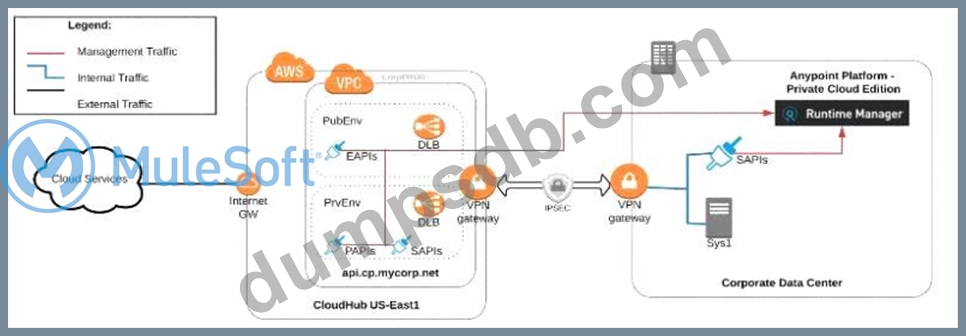
B) Use CloudHub-deployed Mule runtimes in the shared worker cloud managed by the MuleSoft-hosted Anypoint Platform control plane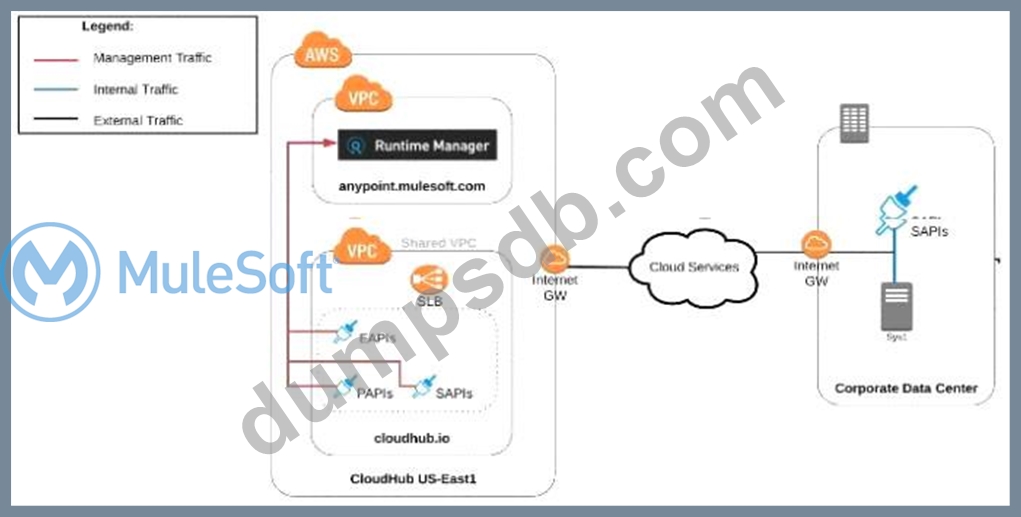
C) Use an on-premises installation of Mule runtimes that are completely isolated with NO external network access, managed by the Anypoint Platform Private Cloud Edition control plane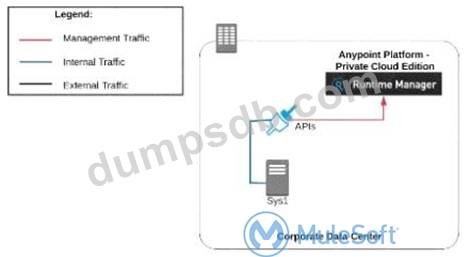
D) Use a combination of Cloud Hub-deployed and manually provisioned on-premises Mule runtimes managed by the MuleSoft-hosted Anypoint Platform control plane